
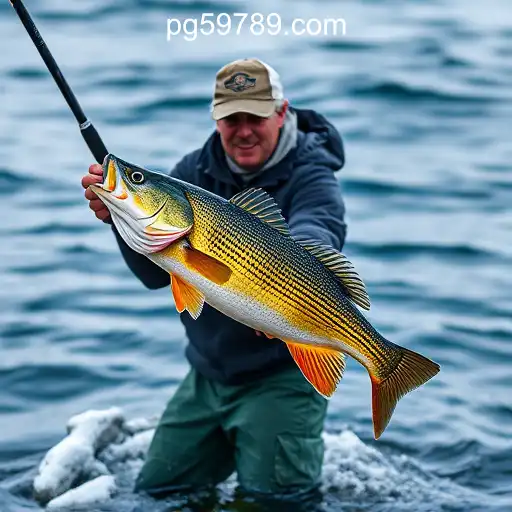

Fishing has always been an integral part of human life. From survival to recreation, the art and methodology of fishing have evolved significantly over time. Nowadays, fishing is not only a livelihood for many but also a leisure activity enjoyed by millions across the globe. Dating back thousands of years, the history of fishing intertwines with human civilization itself. Ancient artifacts and writings show that fishing was essential for nutrition and commerce. Different cultures developed various methods, from spearfishing to the construction of fishing nets. As societies advanced, so did the tools for fishing, paving the way for modern techniques. Today, fishing techniques have diversified. Anglers use more sophisticated equipment, ranging from rods and reels to electronic sounders and GPS. The choice of gear often depends on the type of fishing being undertaken, whether it be freshwater, saltwater, fly fishing, or ice fishing. Each method requires specific skills and equipment suited to the environment and target species. This type of fishing occurs in rivers, lakes, and streams. Freshwater fishing can be an accessible entry point due to the abundance of locations and diversity of species such as bass, trout, and catfish. Techniques like spin casting, bait casting, and fly fishing are commonly employed by freshwater anglers. Saltwater fishing, conducted in oceans, seas, and bays, presents different challenges. The vast and often unpredictable nature of the sea requires specialized equipment. Anglers may use heavy-duty rods and tackle to target species like tuna, marlin, and barracuda. Deep-sea fishing, a subcategory, involves venturing further from shore to catch pelagic species. Fly fishing is a unique technique that involves using a lightweight lure—known as a fly—cast with a specialized rod and line. It's popular in freshwater environments, particularly for catching trout and salmon. The artistry of mimicking the movement of insects on water is a central challenge and joy of fly fishing. Fly fishing is not just about catching fish; it's regarded as a meditative and immersive outdoor experience. Predominantly practiced in colder regions during winter, ice fishing is a niche but popular activity. Anglers drill holes in the ice surface and patiently wait for bites. It's a communal event for many, offering unique opportunities for camaraderie alongside the thrill of the catch. The relationship between fishing and the environment is complex. Sustainable fishing practices aim to balance the needs of the human population with the preservation of aquatic life. Overfishing and habitat destruction pose significant threats to marine biodiversity. Regulations such as catch limits and protected areas are crucial in helping manage fish populations and ensure the longevity of ecosystems. Apart from its commercial significance, fishing is a beloved pastime for many. The quietude and anticipation of waiting for a bite are unmatched experiences for enthusiasts. Whether it's a lone angler casting from a riverside or a group of friends on a fishing boat, the recreational aspect of fishing is a key component of its enduring popularity. Fishing tournaments and clubs provide a social aspect to the activity, where anglers can come together to share their passion and compete for prestige. These events help foster community bonds and inspire interest in the craft among newer generations. In today's digital age, fishing has found a new home online. Websites like 59789.com online cassino Brasil #1 offer a plethora of resources for anglers, from tips and gear reviews to forums where enthusiasts can share experiences and advice. These platforms have broadened the reach of fishing, engaging a more diverse audience and bringing the angling community closer than ever. Online tutorials, videos, and blogs have made learning different fishing techniques more accessible, allowing even beginners to acquire skills with ease. Furthermore, digital apps and platforms equip anglers with real-time information on weather conditions, water levels, and fish activity, enhancing their fishing expeditions. As technology continues to develop and environmental concerns become more pressing, the fishing industry is likely to adapt in remarkable ways. Continued innovation in gear and techniques will shape the future landscape of fishing. Meanwhile, a growing awareness of ecological responsibility could see more anglers advocating for sustainable practices. The integration of virtual reality and augmented reality into fishing education and training could revolutionize how anglers prepare for their trips. These technologies would enable users to simulate fishing environments and scenarios, improving their technique and readiness. Fishing's rich history and its continued adaptation to cultural and technological shifts ensure that it remains a unique and cherished activity for generations to come. In an ever-changing world, it serves as a bridge between the past and present, connecting people with nature in profound and meaningful ways.Fishing: An In-Depth Exploration
The Historical Significance of Fishing
Modern Fishing Techniques and Equipment
Freshwater Fishing
Saltwater Fishing
Fly Fishing
Ice Fishing
Environmental Impact and Conservation
Fishing as a Recreational Activity
Online Communities and Resources
The Future of Fishing
Bônus exclusivo esperando por você
Cadastre-se agora e ganhe até 200% de bônus de boas-vindas.